
If you’re investing in e-commerce, digital marketing, or SEO—and still not seeing the conversions you expect—your product photography may be holding you back. Read this blog to learn the signs that its time to refresh your product photos.
Search behavior is evolving fast. With the rise of AI Overviews in Google Search, consumers are getting product summaries, pricing, and visuals without even clicking through to your site. That means your e-commerce product images need to be not just attractive—but AI-ready, SEO-optimized, and platform-compliant.
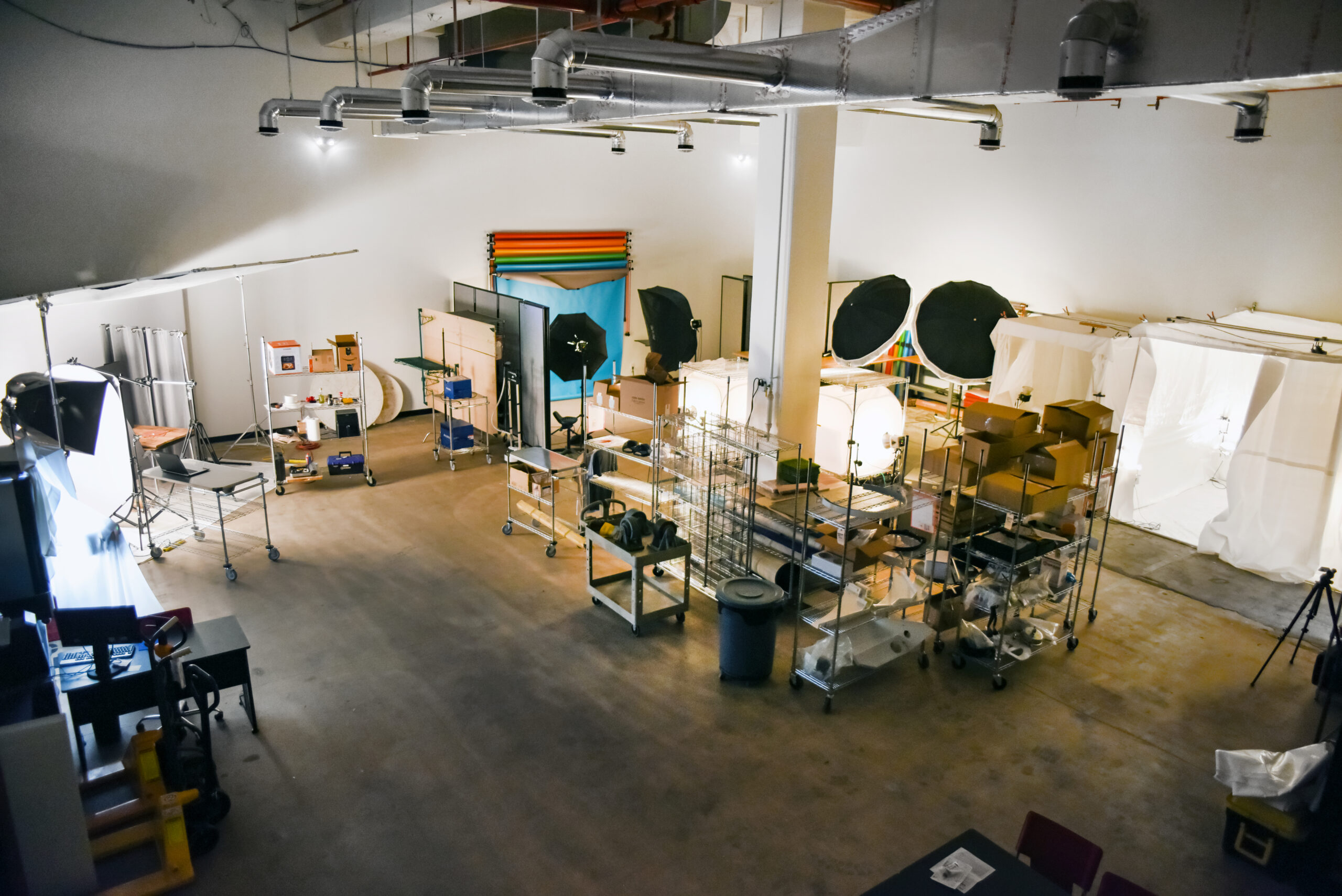
At Skupics, the in-house product photography team at Exhibit Studios, we combine visual storytelling with strategic optimization. If any of these signs sound familiar, it’s time for a refresh.
1. Your Photos Are Outdated
Search engines and shoppers alike prioritize fresh, high-resolution product images. If your images were shot more than two years ago, they may not reflect your current product line, branding, or features—and worse, they could be dragging down your performance in Google Shopping results and AI-powered product listings.
Pro Tip: Google’s AI now indexes image content and context. Outdated or irrelevant images may be deprioritized in search.
2. Product Has Changed
New packaging? Updated features? Even small adjustments should be reflected in your product imagery. Clear, accurate product photos improve trust and reduce returns. They also help AI tools summarize your product correctly—a major factor in how you’re presented in AI Overviews.
3. Competitors Have Better Visuals
Shoppers are comparing options faster than ever using image carousels and AI previews. If your competitors are using professional ecommerce photography and you’re still relying on inconsistent, low-quality visuals, you’re losing visibility and clicks.
High-quality product photography can improve click-through rates by up to 30%, according to recent UX studies.
4. Images Lack Consistency
Google values image consistency across your brand, including product pages, category pages, and metadata. If your lighting, angles, or file naming conventions are all over the place, it hurts your SEO image optimization and may confuse both AI and customers.
5. Expanding to New Channels
Launching on Amazon, Walmart Marketplace, Shopify, or Google Merchant Center? These platforms have strict technical and visual requirements. Non-compliant images won’t perform well—or may be disqualified entirely. You need platform-optimized product photos that meet today’s technical specs and tomorrow’s AI integrations.
Related: Parts Photography
Don't Let Outdated Images Cost You Sales.
Now more than ever, your product photos need to be accurate, professional, and AI-search ready. If your visuals aren’t making the cut, you’re missing out on visibility, trust—and revenue.
Visit us at skupics.com to learn more. Let’s make sure your next click turns into a customer.
Frequently Asked Questions
How often should product images be updated?
Most brands should review their product photography every 1–2 years. Trends, branding, packaging, and platform requirements change quickly, and outdated images may negatively impact search visibility and conversions.
What are the biggest signs that my product images are outdated?
Some common indicators include:
- Your images were taken several years ago
- Your packaging or product design has changed
- Competitors have higher-quality visuals
- Your photos look inconsistent across your website or listings
- You’re launching on new sales channels with stricter image requirements
Do updated product photos actually improve sales?
Yes. High-quality product images can significantly improve click-through rates and conversions because shoppers rely heavily on visuals when comparing products online. Clear, professional imagery builds trust and helps customers feel confident in their purchase.
Why does image consistency matter for ecommerce?
Consistent lighting, angles, backgrounds, and file naming create a professional, cohesive look across your product catalog. This not only improves the customer experience but also helps search engines better understand and index your images.
What happens if my product photos don’t meet marketplace requirements?
Platforms like Amazon, Walmart Marketplace, and Google Merchant Center have strict technical guidelines. Images that don’t meet these standards may perform poorly in search results—or may not be approved for listing at all.
Do small product updates really require new photos?
Even minor updates—like packaging tweaks, label changes, or added features—should be reflected in your product images. Accurate visuals help avoid customer confusion, reduce returns, and ensure AI-driven search results display your product correctly.
What types of product images should a brand have?
A strong ecommerce image set usually includes:
- White background product shots for marketplaces
- Lifestyle images showing the product in use
- Detail or close-up shots of important features
- Optional 360° product spins for interactive viewing
Using a mix of these helps customers fully understand and trust your product.
How can I tell if my competitors’ images are outperforming mine?
If your competitors appear more frequently in product search results, shopping carousels, or marketplace listings—and their imagery looks more polished or detailed—it may be time to upgrade your visuals to stay competitive.
What should I prepare before refreshing my product photography?
Before scheduling a shoot, it helps to have:
- A list of products and variations
- A shot list with required angles or features
- Clean, undamaged product samples
- Any branding guidelines or visual references
Preparation ensures the shoot runs efficiently and produces better results.
How do professional product photographers help improve image performance?
Professional studios combine lighting, composition, editing, and platform optimization to create images that are designed not just to look good—but to perform well across ecommerce marketplaces, websites, and AI-powered search.