
High-quality apparel photography is one of the most important factors in driving e-commerce sales. Whether you’re launching a new clothing line or refreshing your product listings, the way you photograph your garments can dramatically affect how customers perceive your brand—and whether they hit “Add to Cart.”
In this post, we’ll break down three popular types of apparel photography: Layflat, Ghost Mannequin, and Model photography. We’ll explore their pros and cons, and how they perform across key platforms like Amazon, Shopify, and Instagram.
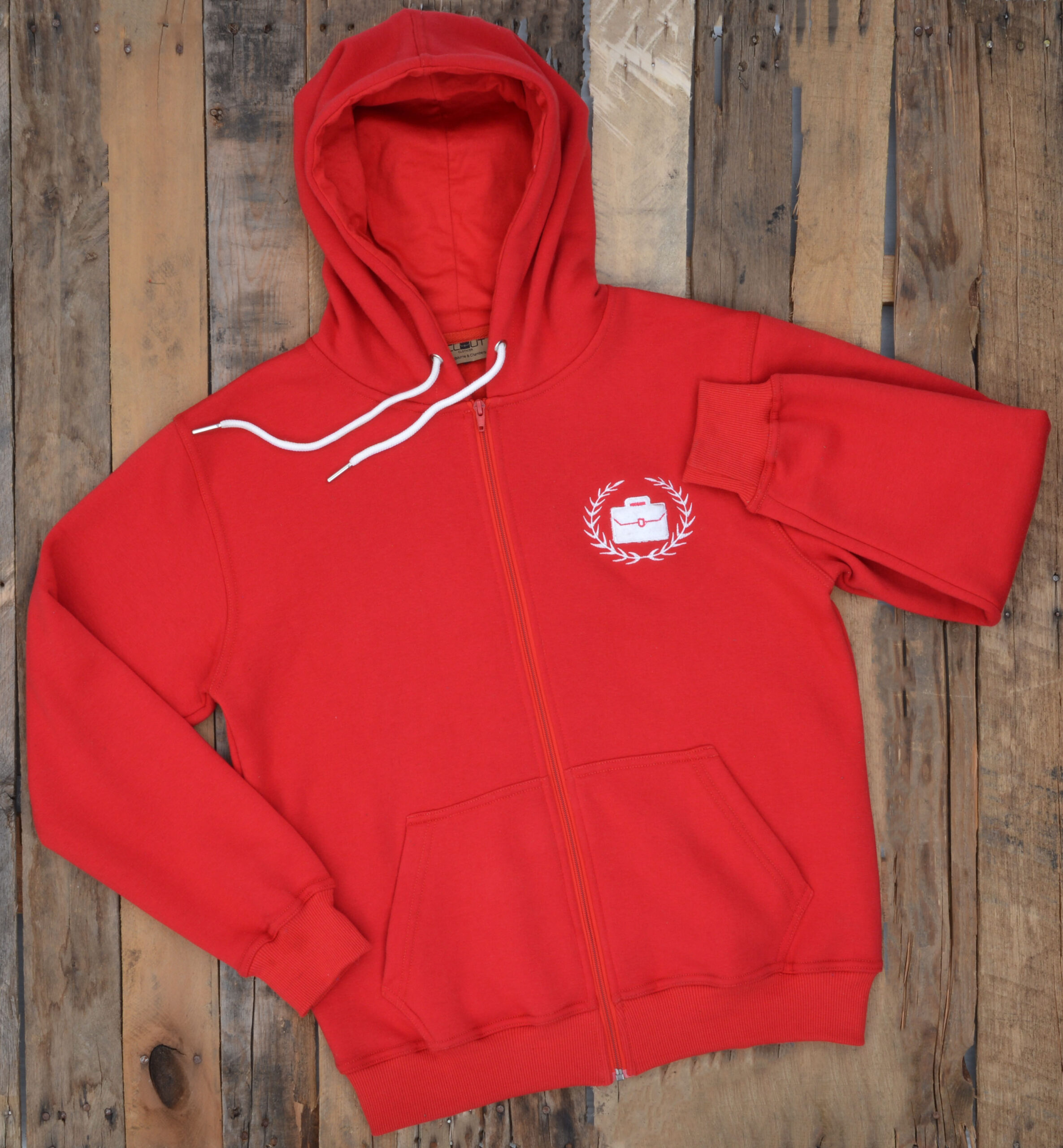
📸 1. Layflat Photography
What is it?
Layflat photography involves laying the garment flat on a surface and shooting from above. It’s clean, simple, and cost-effective.
✅ Pros:
- Budget-friendly – No need for a model or time-consuming posing and pinning on a mannequin.
- Fast turnaround – Great for bulk product listings.
- Consistent styling – Easy to maintain uniformity across a collection.
❌ Cons:
- Lacks depth and shape – Items may appear lifeless or unstructured.
- Doesn’t show fit – Customers can’t visualize how it looks on a person.
- Can look basic – May not stand out on visually competitive platforms.
🌐 Best For:
- Shopify: Great for building a clean, minimal brand aesthetic.
- Instagram: Works well for detail shots or styled flatlays with props.
- Amazon: Acceptable, but less effective—Amazon favors more dimensional images.
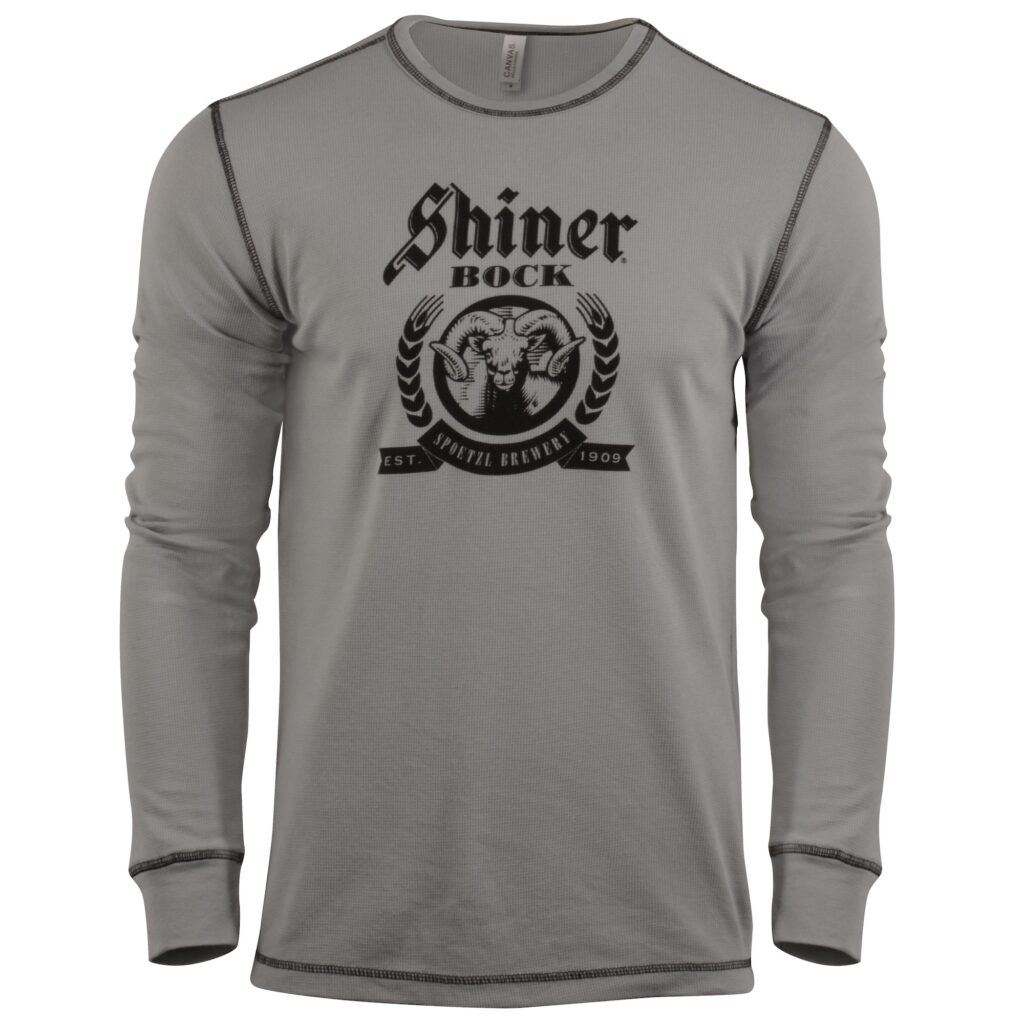
👻 2. Ghost Mannequin Photography
What is it?
This technique uses mannequins during shooting and then removes them in post-production, creating a “hollow” look that shows the garment’s true shape without a visible model or form.
✅ Pros:
- Professional look – Creates a clean, polished presentation.
- Shows structure – Highlights fit and drape in a 3D way.
- Consistent – Great for showing uniform styles at scale.
❌ Cons:
- Less emotional – Doesn’t create a personal or aspirational connection like model shots do.
- Setup complexity – Shooting with mannequins requires extra time to get the garment to drape and fit correctly with clamps and pins.
- Post Production – Post production time removing mannequin and adding in details such as logos and tags.
🌐 Best For:
- Amazon: Highly favored—meets technical standards and provides clear detail.
- Shopify: Great for product-focused stores with a sleek, uniform aesthetic.
- Instagram: Functional, but not highly engaging for social storytelling.
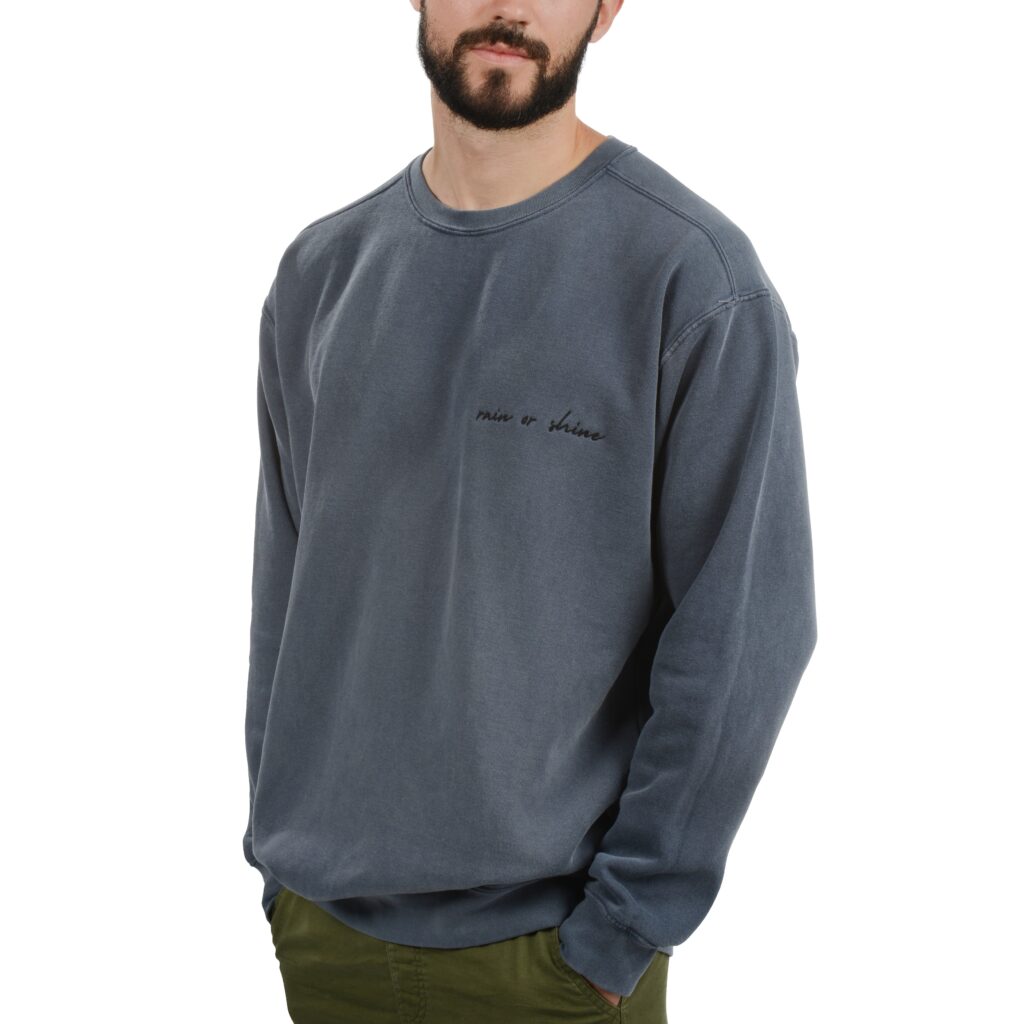
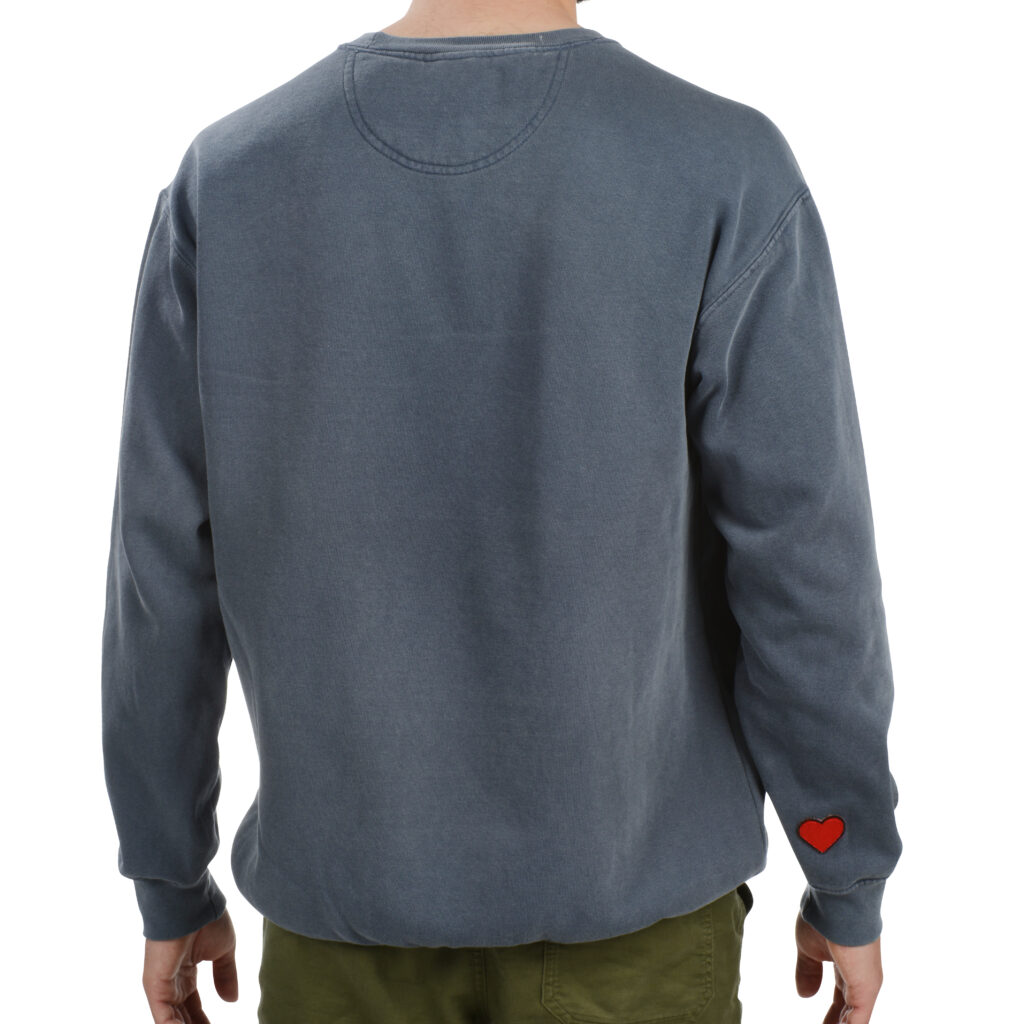
👗 3. Model Photography
What is it?
Using live models to showcase apparel in real-world settings or studio environments.
✅ Pros:
- High engagement – Helps customers imagine themselves wearing the product.
- Storytelling – Allows you to create a lifestyle around your brand.
- Emotional appeal – Builds trust and connection with the viewer.
❌ Cons:
- Expensive – Requires talent, location, modeling agency fees, and sometimes a copyright from the agency which could expire after a year or two.
- Inconsistent – Variability in lighting, poses, or model sizes can affect branding.
- Time-consuming – More planning and post-production involved.
🌐 Best For:
- Instagram: Perfect for engagement, especially with lifestyle and influencer-style content.
- Shopify: Excellent for lookbooks, homepages, and high-end products.
- Amazon: Use sparingly—Amazon guidelines often prioritize clear, white-background images.
Final Thoughts
There’s no single “best” way to photograph apparel—it depends on your brand, budget, and target audience. For most brands, a hybrid approach works best:
- Use ghost mannequin shots for product pages (especially on Amazon).
- Add layflat or detail shots for color, fabric, and design highlights.
- Incorporate model photography for social media and lifestyle branding.
Investing in quality imagery pays off in lower return rates, higher conversions, and stronger brand identity. Understanding the strengths and limitations of each style will help you showcase your apparel in the best possible light.
Need help deciding which approach suits your brand? Let us know what you’re selling and where—I’d be happy to tailor some advice for your upcoming shoot.
Contact us to learn more.