
As a professional product photography studio, we’ve worked a multitude of brands—from ambitious startups to established eCommerce giants. One thing we see time and time again? Brands losing sales not because of the product—but because of how it’s presented.
Your product photos are your digital storefront. They’re the first impression, the closest thing to a “try-on,” and often the deciding factor between browsing and buying.
So today, we’re sharing the top 5 mistakes we see brands make with their product photography—and how to fix them before they cost you conversions, trust, and revenue.
1. ❌ Inconsistent Image Style Across Your Catalog
This is one of the most common red flags we notice when auditing eCommerce sites. When product images vary in lighting, angle, or background, it signals a lack of professionalism—and damages brand trust.
✅ How We Fix It:
At our studio, we build out a custom style guide for every client. This ensures consistency across:
- Lighting (natural vs. studio)
- Backgrounds (pure white, seamless, textured, lifestyle)
- Product positioning and angles
- Image dimensions and formatting
A consistent image style doesn’t just look better—it builds brand credibility and reduces bounce rates.
2. ❌No Context or Lifestyle Imagery
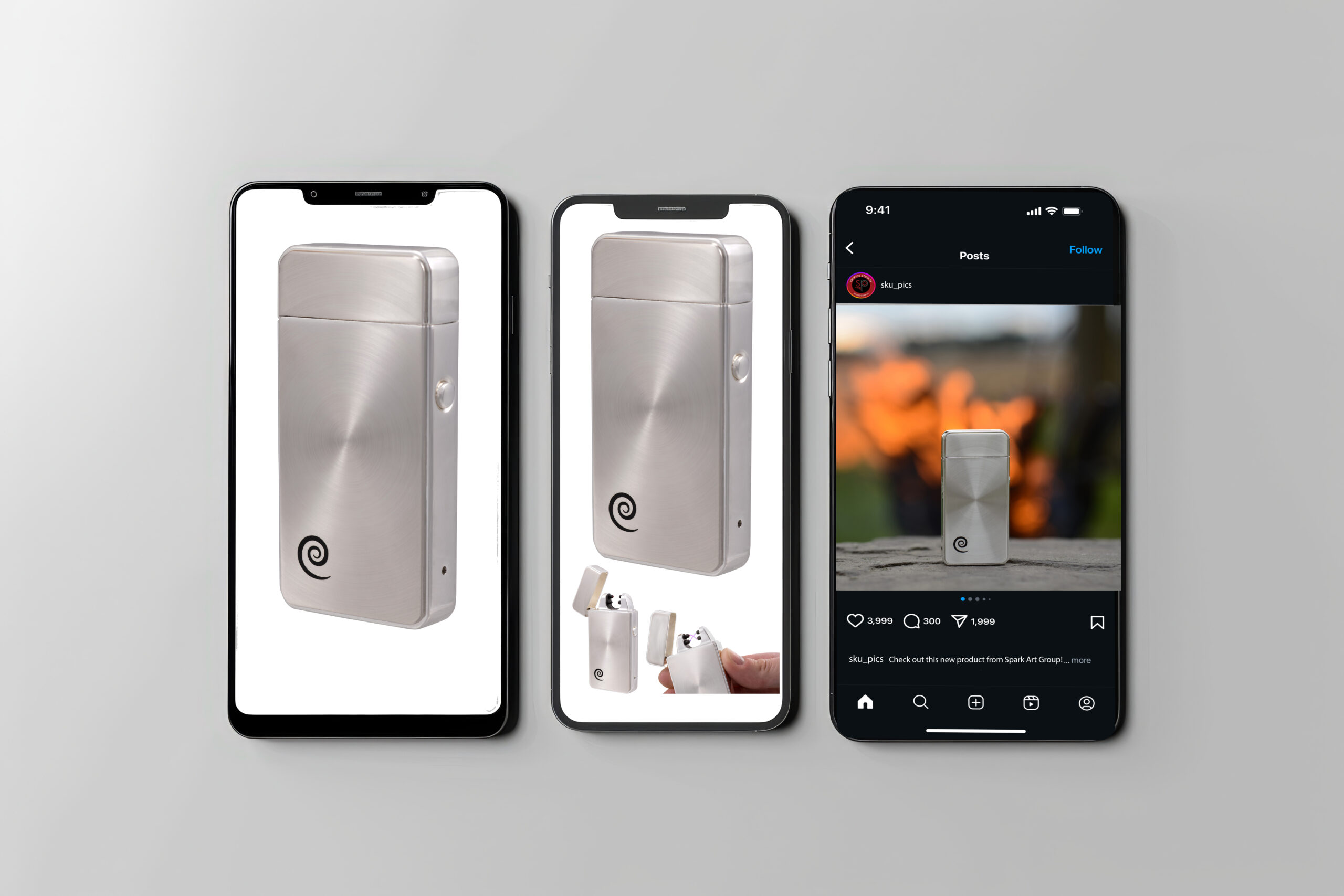
If your photos show the product alone on a white background, you’re only telling half the story. Shoppers want to see your product in the real world—how it’s worn, held, or styled.
✅ How We Fix It:
We pair clean studio shots with lifestyle photography that shows your product in action. Whether that’s apparel on a model, kitchenware in a styled space, or tech products in-use, lifestyle images:
- Help customers visualize ownership
- Drive emotional engagement
- Perform better on social platforms
Pro tip: These are essential for high-performing content on Instagram and ad campaigns.
3. ❌Low Resolution or Poor Lighting
Low-quality photos can sink even the best products. Blurry, overexposed, or poorly lit images instantly reduce perceived value—and increase returns.
✅ How We Fix It:
Every shoot in our studio is done with professional-grade equipment, color-calibrated monitors, and controlled lighting. We deliver:
- Crisp, high-resolution images
- Accurate color representation
- Clean edits with natural shadows and detail
We also ensure that every image meets platform-specific technical standards—from Amazon to Shopify, just let us know where you are hosting.
4. ❌Not Showing Multiple Angles or Key Details
One image rarely tells the full story. If your customer can’t see the back of the garment, a close-up of the fabric, or how a clasp functions, you’re leaving too many questions unanswered.
✅ How We Fix It:
We approach every product shoot with a customer-first mindset. Before we even pick up a camera, we ask:
What does your customer need to see to feel confident buying this online?
Then we tailor the shot list accordingly. For example:
- Fashion pieces might need front/back views, detail shots of seams or texture, and close-ups of closures or embellishments.
- Accessories may require scale references (on-model or in-hand), as well as macro shots of hardware or stitching.
- Packaging-focused brands often benefit from unboxing sequences to showcase presentation.
By building out intentional image sets based on product type and buyer behavior, we help eliminate guesswork, reduce return rates, and give your customers everything they need to say “yes.”
5. ❌Using the Same Photos for Every Platform
Each platform has its own strengths—and limitations. Using the same images across Shopify, Amazon, and Instagram often means you’re not optimizing for any of them.
✅ How We Fix It:
We shoot with platform performance in mind. For example:
- Amazon: Pure white background, ghost mannequin or isolated product shots that meet all listing requirements.
- Shopify: Mix of clean product photography and branded lifestyle content to enhance your site experience.
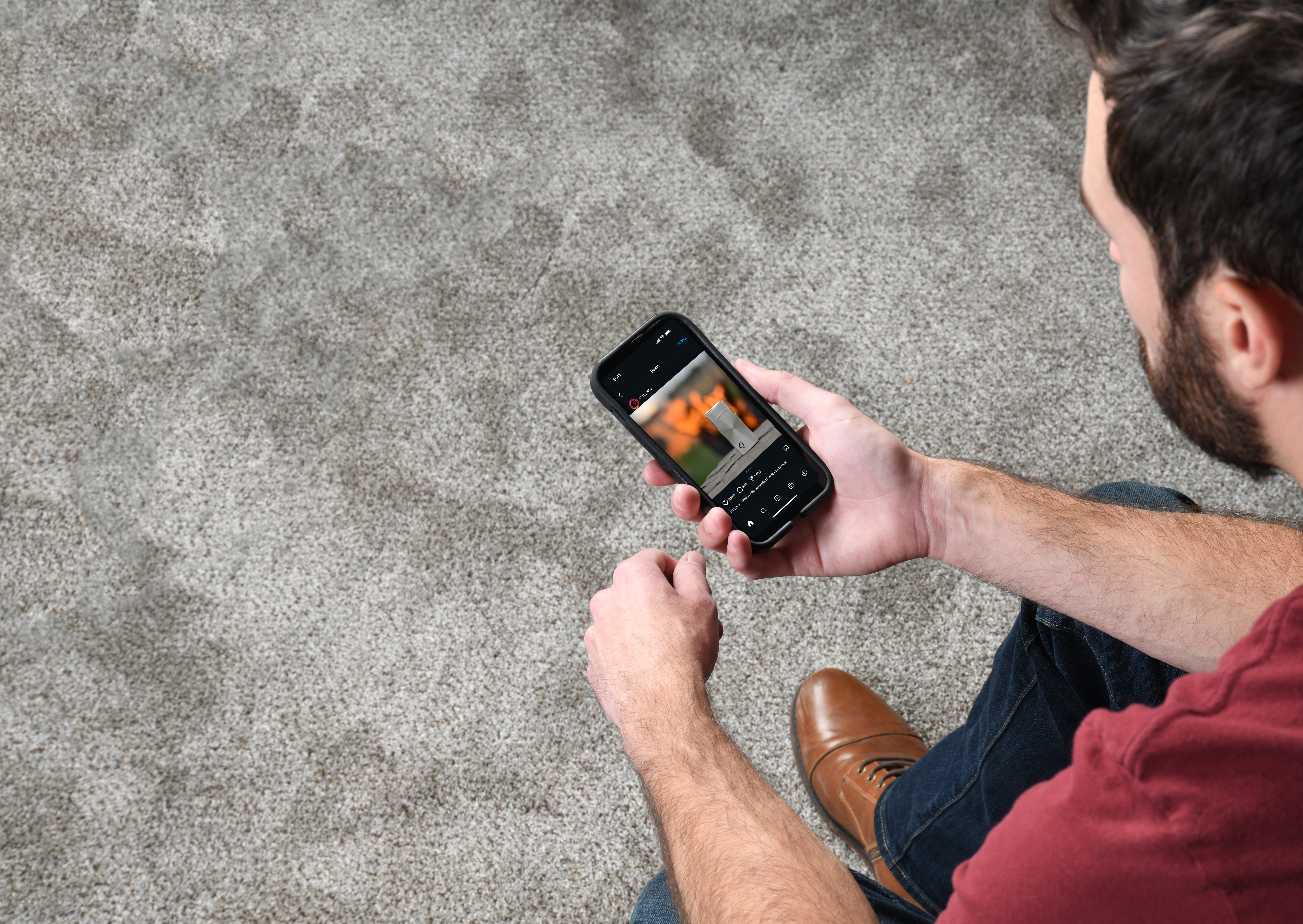
- Instagram & Social: Scroll-stopping, stylized imagery made for engagement.
Different channels require different visual strategies. We help brands build complete content libraries that cover all their selling platforms.
Ready to Level Up Your Product Photography?
If any of these mistakes sound familiar, don’t worry—you’re not alone. The good news is that with the right visual strategy, you can dramatically improve how your products are perceived (and how well they sell).
At Skupics Studios, we specialize in clean, conversion-focused product photography tailored to your brand and your platforms.
Let’s make your products look as good online as they do in real life.
📩 Get in touch to book your shoot or request a custom quote.
Frequently Asked Questions (FAQs)
1. Why are product photos so important for my brand?
Product photos are often the first impression customers get of your products online. High‑quality images build trust, show product details accurately, and can significantly increase conversion rates.
2. What is the most common mistake brands make with product photos?
One of the biggest mistakes is poor lighting — uneven or harsh light can hide details, distort colors, and make products look unprofessional.
3. How can I fix lighting issues in my product photos?
Use soft, diffused lighting (like natural window light or softbox lights), avoid mixed light sources, and position lights to evenly illuminate your product without harsh shadows.
4. Do backgrounds really matter in product photography?
Yes. Distracting or cluttered backgrounds draw attention away from the product. A clean, neutral background (e.g., white or light gray) keeps the focus on the item.
5. Why should I include multiple images for each product?
Showing multiple angles, close‑ups, and contextual shots helps customers understand the product better and reduces uncertainty, which can boost confidence and reduce returns.
6. What does “inconsistent editing” mean, and how does it hurt my brand?
Inconsistent editing refers to varying color balance, brightness, and contrast across your product images. It makes your product catalogue look unprofessional and disconnects the visual experience for customers.
7. Do I need to show scale in my product photography?
Yes — without a size reference, customers can misjudge how big or small a product is, leading to confusion or returns. Including objects for scale or lifestyle shots helps clarify size.
8. Are lifestyle photos necessary if I already have clean studio shots?
While clean studio shots are essential for clarity, lifestyle images help customers imagine the product in use, creating emotional appeal and better context.
9. How many product photos should I include per listing?
Aim for at least 3–5 images: hero shot, different angles, close‑ups, and context or lifestyle shots. This gives a comprehensive visual story for shoppers.
10. Can poor product photos hurt my sales even if my product is high quality?
Absolutely — even great products can struggle to sell if photos don’t clearly and attractively represent them. Poor photos reduce trust, lower perceived quality, and may result in fewer conversions.