
On-Whites: The one image type every product library can’t live without


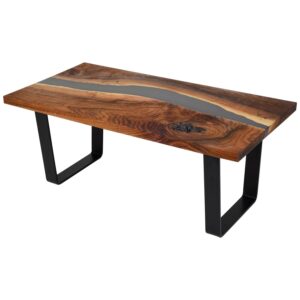

They are the universal standard for commerce
Every major e-commerce platform — Amazon, Walmart, Target, and most retail portals — mandates a pure white background image (RGB 255, 255, 255) as the primary listing image. This is not a stylistic preference. It is a hard requirement. Without a compliant on-white image, your product simply cannot be listed. This alone makes them a business-critical asset before you even consider their creative value.
01 – Amazon listing requirement
02 – Retail partner packs
03 – Press and media
They integrate into any design context
A product shot on white drops cleanly into any layout — website, catalog, email, pitch deck, social ad — without clashing with the surrounding design. Your marketing team can place the same image on a black banner, a pastel seasonal background, or a textured surface by removing the background in a single click. Lifestyle shots cannot do this. They are permanently married to the environment they were captured in, which limits how and where they can be reused.




“On-white images are your master asset. Every other image type is a creative derivative built on top of them.”
Seven reasons your asset bank needs them
They are the honest reference image
They enable clean background removal and compositing
They reveal product detail accurately
They give your catalog visual consistency
They have the longest shelf life of any image type
They multiply the value of every other image you shoot
They are culture-neutral for global markets
“The on-white image is context-neutral by design. That neutrality is not a limitation — it is the entire point.”
A note on what on-white images are not
They are not the most creatively exciting photograph you will take. They will not stop a social media scroll or anchor a brand campaign. That is not their job. Their job is to be accurate, versatile, and endlessly reusable — the stable foundation on which every piece of creative work rests. Thinking of them as “boring” misunderstands their function entirely. They are infrastructure.




The hierarchy
Think of your image library as a pyramid. On-white hero images sit at the base — they are the master asset. Lifestyle, campaign, flat lay, detail, and video content are all creative derivatives built on top of that foundation. Without the base layer, everything above it is harder to produce, more expensive to update, and less versatile to deploy.
Conclusion
Skupics Studios would be happy to chat with you about how we can help take your product photography to the next level. Contact us today to learn more!